
In modern architecture & interior design, glass has become more than just a transparent barrier. It now serves functional, aesthetic, and energy-efficient purposes. One of the most innovative developments in this field is Dimming Glass. Unlike traditional glass, which remains static in appearance and functionality, this glass offers dynamic control over light and privacy. But what exactly sets it apart from regular glass, and why is it gaining popularity across homes, offices, and commercial spaces? Let’s explore.
Basics Of How Dimming Glass Works
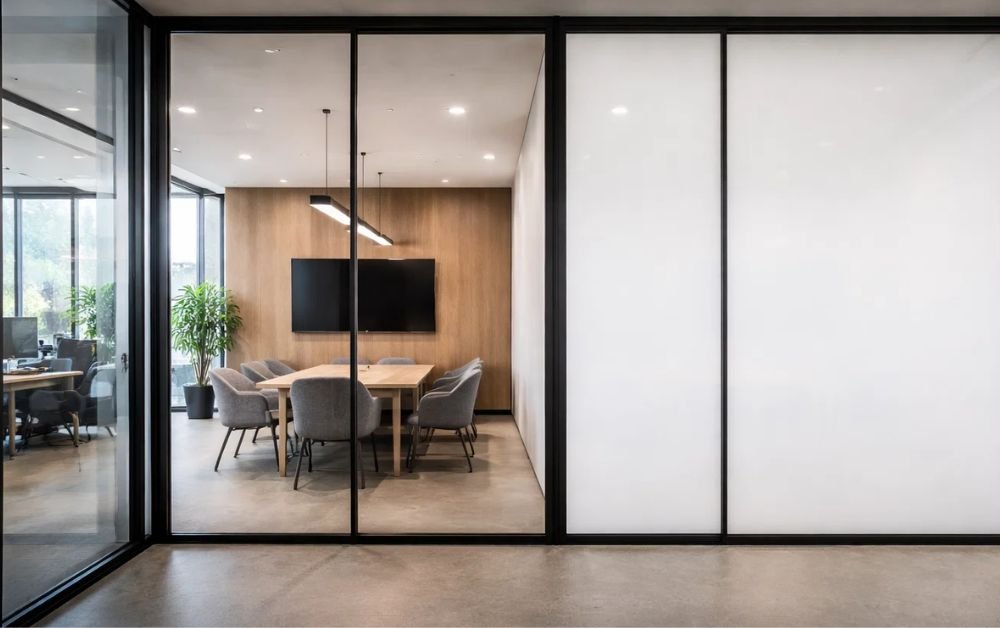
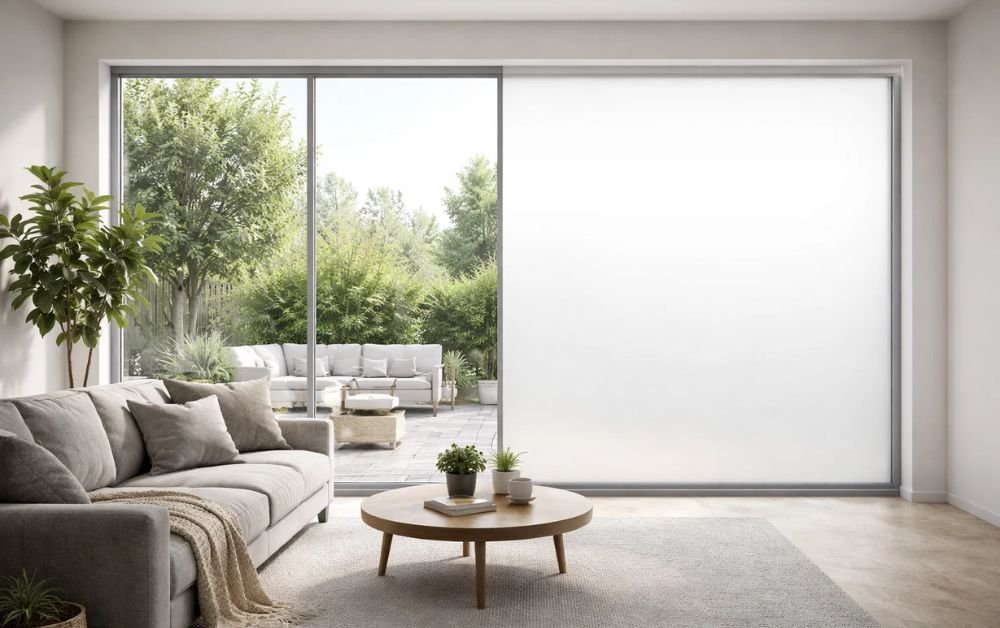
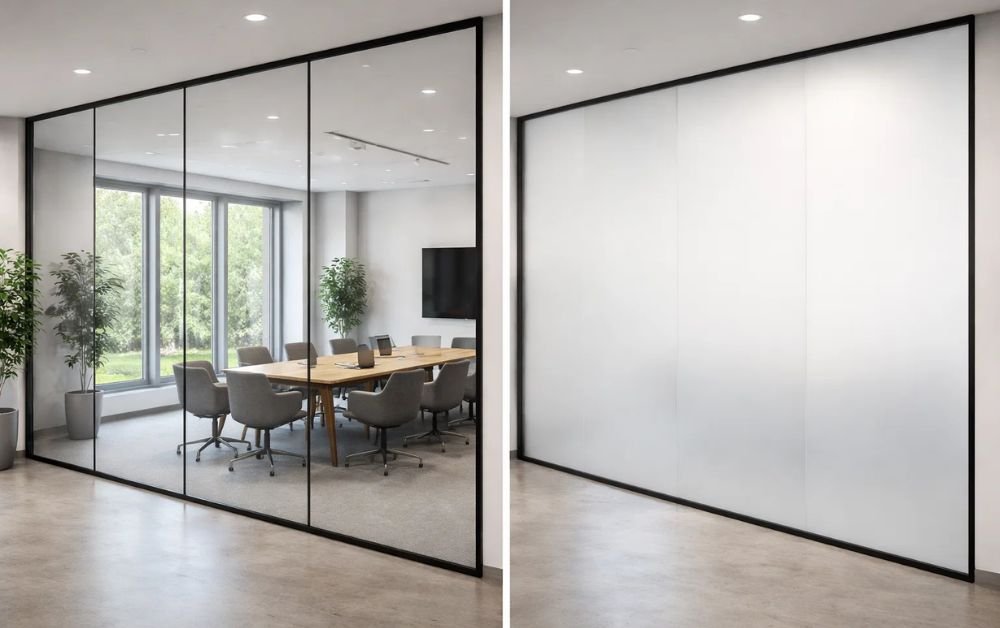
This type of glass, also known as smart glass or switchable glass, can alter its transparency or opacity in response to electrical inputs or external factors. Most glass is either clear or frosted, but this glass can also transition from one to the other without losing its aesthetic appeal. This flexibility enables users to control privacy, light, and glare without the use of curtains, blinds, or other conventional window coverings.
PDLC (Polymer Dispersed Liquid Crystal) or electrochromic layers are the leading technical solutions to be found in such glass. In the PDLC system, the liquid crystal molecules are sandwiched between two glass slides in a polymer film. When an electric current is passed through it, the molecules line up, clearing a path for light, and the glass becomes transparent. Without power, the little molecules scatter, turning the glass opaque. Electrochromic glass, on the other hand, adjusts its tint through a chemical reaction activated by electricity, so there’s more control of shading and light intensity.
Key Differences Glass
Control Over Privacy
One of the significant distinctions lies in the way privacy is managed. Standard glass is clear and has no means to control visibility. You also need to add something like curtains, blinds, or frosted films to achieve privacy. This glass eliminates all of that by enabling instantaneous transition between clear and frosted states with the flip of a switch or remote control. Ideal for use in offices, healthcare facilities, and high-end homes where privacy can be important, yet light still needs to penetrate the room.
Light and Glare Management
Ordinary glass allows all light to enter, which can result in glare, uncomfortable indoor climates, and even injury. It is made of glass with adjustable light transmission, allowing for control of the light intensity. In corporate environments, this function helps reduce glare on computer screens in both direct and indirect lighting conditions. In the home, it also serves to let in light without letting in too much of the sun, while keeping the house bright and airy.
Energy Efficiency
Unlike ordinary glass, this glass can help save energy. It also minimizes the need for artificial lighting and air conditioning by managing sunlight and heat gain. In hot months, this opaque or tinted state can reduce solar heat gain, thereby lowering cooling expenses.
Aesthetic and Design Flexibility
This glass is refined to a level that cannot be achieved with regular glass. It can be applied to glass partitions, conference rooms, windows, facades, and even shower enclosures, achieving a modern and perfect appearance. It is prized by architects and designers who appreciate the flexibility it offers to open up and fill a space with light, but still can close off areas as needed for privacy and style. The standard glass lacks such flexibility, and a peripheral method should be incorporated to achieve a similar purpose.
Integration with Technology
Such glass can be incorporated into a smart home and building management system; regular glass can’t do that. It can be operated through wall switches, a remote control, or even a mobile application. In more sophisticated configurations, the blinds offer automated settings for sunlight, time, or occupancy, providing convenience and enhanced utility to the room.
Safety and Durability
Higher-quality glasses, in particular laminated glasses, provide additional security to the glass. In the event of a break, the fragments remain bonded to each other, minimizing the potential for injury. There are added benefits as well, including enhanced sound insulation, UV protection, and increased strength, which make them an excellent product for both commercial applications and home use.
Applications Across Different Environments
There are so many dimensions to its uniqueness that glass is used in many industries:
- Offices: Partition area, boardroom, executive cabin. It provides you with immediate privacy during meetings and an open feel at other times.
- Hospitals: It enhances patients’ privacy in consulting rooms and wards, and helps maintain a hygienic and clean environment.
- Hospitality Industry: Hotels, resorts, and restaurants can utilize it to create private suites, restrooms, or dining spaces in any space without compromising design.
- Houses: Provides homeowners with privacy and control over temperature and natural light in the bathroom, living room, and other areas.
- At Retail Spaces: A great way to give optimal exposure to items while providing a customizable privacy solution for staff or storage areas.
In Conclusion
It differs from regular glass due to its versatility, durability, and modern appearance. With the aid of adjustable privacy, light, and glare control, as well as energy-saving capabilities and compatibility with Internet of Things features, the architecture and interior design become revolutionary. No matter where it is used, in an office, hospital, home, or hospitality setting, it provides functional and visual benefits that traditional glass cannot match.
For the best glass in the UAE, Smart Glass Dubai offers high-quality glass and installation services tailored to luxury homes with unique features, specifically designed for your project.