

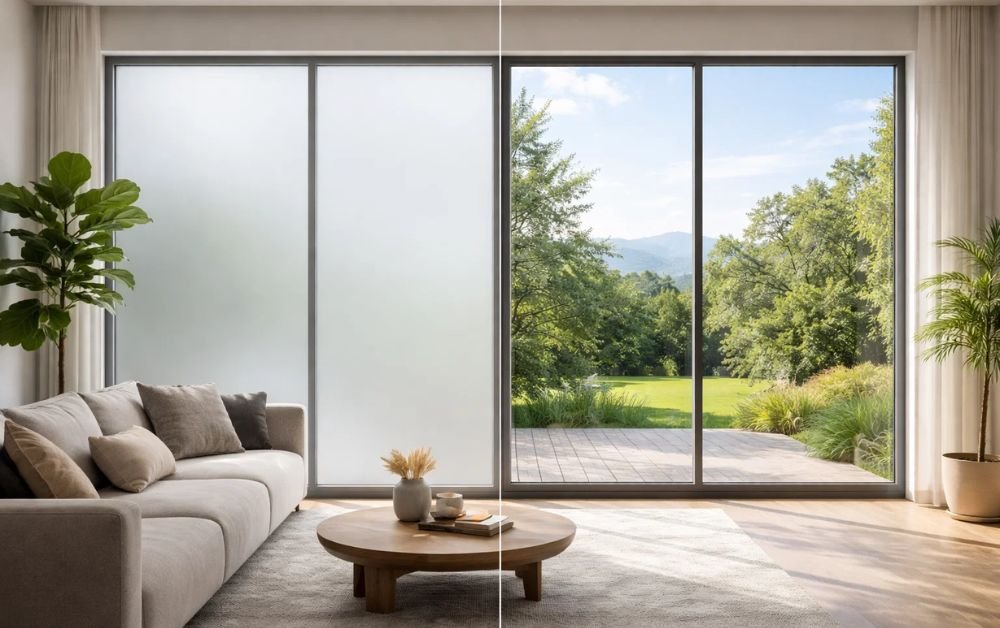
Intelligent windows have emerged as a groundbreaking innovation in an era where energy efficiency is a critical concern for environmental sustainability and economic savings. These advanced windows are not just panes of glass; they are designed to enhance the energy efficiency of buildings by managing light and heat transmission in intelligent ways. But how exactly do bright windows contribute to energy cost savings? Let’s explore their impact from the basic principles to the long-term benefits.
Introduction
Smart windows, switchable or dynamic windows, are high-tech systems that can change their properties to control the amount of light and heat that passes through. Unlike static windows, which offer little control over the indoor environment, intelligent windows can adjust their transparency, tint, or opacity based on external conditions or user preferences. This capability allows them to play a significant role in managing energy consumption within buildings.

How Smart Window Work
The technology behind intelligent windows typically falls into a few categories, including electrochromic, thermochromic, and photochromic systems.
Electrochromic intelligent windows use a small electrical charge to change the tint of the glass, thus regulating the amount of light and heat entering a room.
Thermochromic windows automatically adjust their tint based on the temperature, becoming darker as temperatures rise to block excess heat.
Photochromic windows respond to the intensity of sunlight, darkening when exposed to strong sunlight to reduce glare and heat gain.
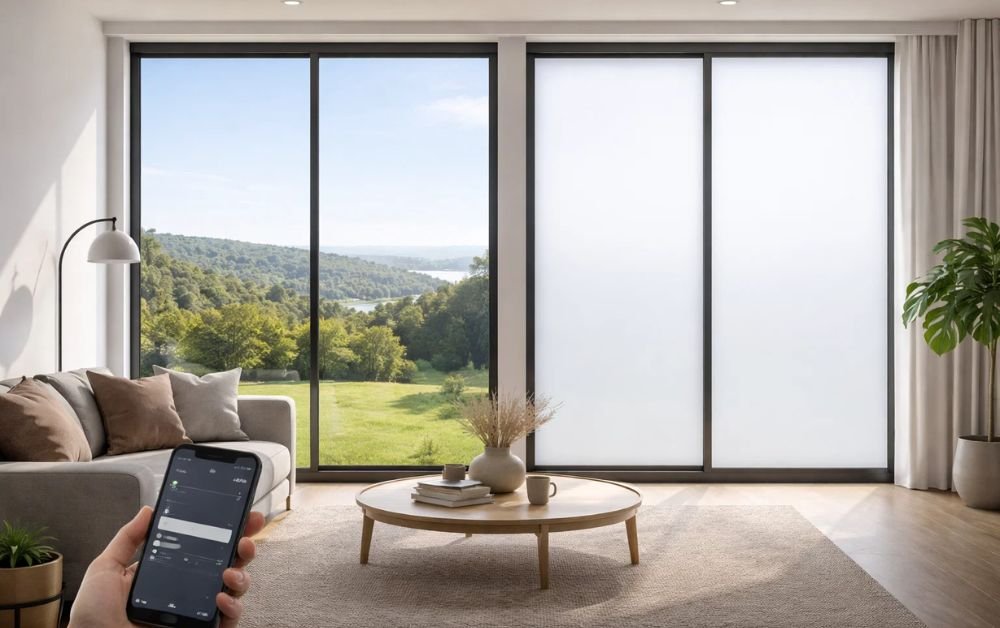
These windows can be controlled manually or automatically, integrated with smart home systems that adjust the windows based on time of day, weather conditions, or occupancy, optimizing energy use without sacrificing comfort.
Energy Cost Savings Through Smart Window
Smart window contributes to energy savings in several key ways:
Reduction in Heating and Cooling Costs: By controlling the amount of solar heat entering a building, smart window reduce the need for artificial heating in winter and summer cooling in summer. In colder months, they can allow more sunlight to penetrate, warming interior spaces naturally. During hotter periods, they can block out excess heat, reducing the strain on air conditioning systems. This dynamic control helps maintain a consistent indoor temperature, saving energy significantly.
Lower Lighting Costs: Smart window can optimize natural light usage by adjusting their transparency. During the day, they can maximize daylight, reducing the need for artificial lighting. This can substantially reduce electricity consumption in commercial buildings, as lighting is often one of the most significant energy expenses.
Improved Insulation: Some smart window also offers superior insulation properties compared to traditional windows. This means they can better retain heat during winter and keep interiors cooler in summer, reducing reliance on heating and cooling systems.
Reduction of Peak Energy Demand: By reducing the need for artificial cooling and heating, smart window help lower the peak energy demand. This reduces energy bills and lessens the power grid’s load during high-demand periods, which can lead to broader societal benefits like reduced greenhouse gas emissions.
Long-Term Benefits
While the initial investment in intelligent windows may be higher than traditional ones, the long-term energy cost savings often justify the expense. Over time, these savings can add up, providing a return on investment through lower utility bills. Additionally, buildings with bright windows enjoy increased property values due to their enhanced energy efficiency and modern appeal.
Moreover, as energy prices continue to rise and regulations around energy efficiency become stricter, the value of intelligent windows is likely to increase. Their ability to significantly reduce energy consumption makes them an attractive option for residential and commercial properties.
Conclusion
Bright windows are a powerful tool in the quest for energy efficiency. By intelligently managing the light and heat that enters a building, they can significantly reduce energy costs associated with heating, cooling, and lighting. As technology advances, intelligent windows are likely to be adopted, making them a standard feature in future buildings. Investing in intelligent windows makes economic sense and contributes to a more sustainable and energy-efficient world. For more information you can contact us