

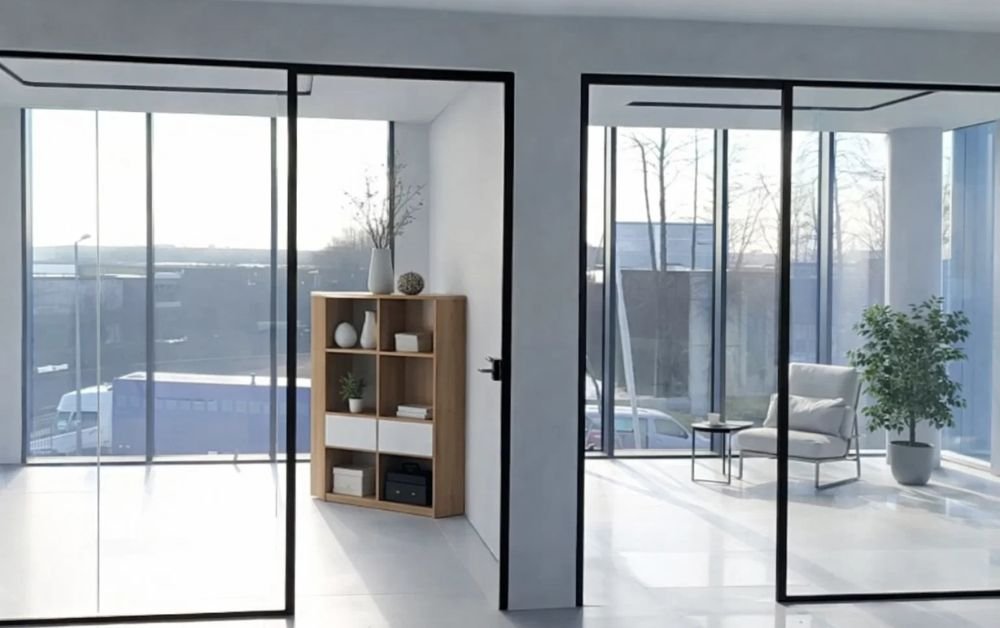
Switchable windows, also known as smart windows, represent a fascinating leap in architectural and material science. These innovative panes can change their transparency or color at the touch of a button, or automatically in response to environmental conditions. This technology offers numerous benefits, including energy efficiency, privacy, and aesthetic flexibility. Understanding the technology behind smart windows can help appreciate their potential impact on modern buildings and homes.
Introduction
Switchable windows are designed to control the amount of light and heat passing through them. By adjusting their opacity or transparency, they can regulate indoor temperature, reduce glare, and provide privacy without the need for curtains or blinds. These windows use advanced materials and technologies to achieve their transformative properties, making them a hot topic in the fields of construction and design.

The Core Technologies
The technology behind smart windows primarily involves electrochromic, thermochromic, photochromic, and suspended particle devices (SPD). Each of these technologies has unique characteristics and operational mechanisms.
Electrochromic Technology: This is one of the most widely used technologies in smart windows. Electrochromic windows have layers of materials that change their optical properties when an electric voltage is applied. This change can vary from transparent to opaque or from one color to another. The layers typically include a transparent conductor, an electrochromic layer, an ion conductor, and another electrochromic layer. When voltage is applied, ions move between the layers, altering the window’s transparency. These windows are highly energy-efficient, as they can be controlled electronically to reduce heat gain or loss.
Thermochromic Technology: Thermochromic windows change their transparency in response to temperature changes. These windows contain materials that respond to heat by altering their molecular structure, which changes the way they interact with light. This technology does not require electricity to function, making it a passive and energy-efficient solution. However, the response is purely temperature-driven, limiting control flexibility.
Photochromic Technology: Similar to the technology used in some eyeglass lenses, photochromic windows darken when exposed to sunlight. These windows contain molecules that react to ultraviolet (UV) light, causing them to change color. This technology is particularly useful for reducing glare and UV radiation inside buildings. However, like thermochromic windows, the response is automatic and cannot be manually controlled.
Suspended Particle Devices (SPD): SPD technology involves a thin film of suspended particle molecules placed between two layers of glass or plastic. When an electric field is applied, the particles align to allow light to pass through, making the window transparent. When the electric field is removed, the particles are randomly oriented, blocking light and making the window opaque. SPD windows can be adjusted to various levels of transparency, offering greater control over light and heat transmission.
Benefits of Switchable/Smart Windows
The adoption of switchable or smart windows offers numerous advantages:
Energy Efficiency: By controlling the amount of heat and light entering a building, smart windows can significantly reduce the need for air conditioning and heating, leading to lower energy bills.
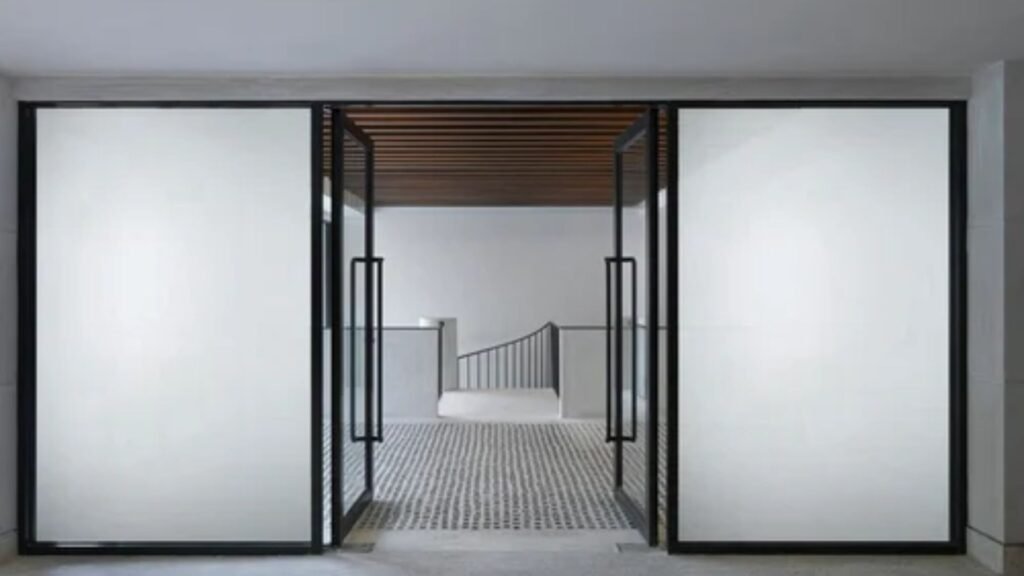
Enhanced Privacy: With the ability to switch from transparent to opaque, these windows provide privacy on demand without the need for curtains or blinds.
Glare Reduction: Smart windows can minimize glare from the sun, enhancing comfort and visibility inside buildings.
Aesthetic Flexibility: Architects and designers can use smart windows to create dynamic and adaptable spaces that respond to changing conditions and user needs.
Challenges and Future Directions
Despite their advantages, smart windows also face some challenges. The cost of production and installation is currently higher than traditional windows, which can be a barrier for widespread adoption. Additionally, the durability and longevity of these technologies under various environmental conditions are still being studied.
However, ongoing research and development are expected to overcome these challenges. Advances in materials science and manufacturing processes are likely to reduce costs and improve the performance of smart windows. As these technologies become more accessible, they are poised to play a crucial role in the future of sustainable building design.
Conclusion
Switchable windows represent a significant advancement in window technology, offering a blend of energy efficiency, privacy, and aesthetic flexibility. The core technologies—electrochromic, thermochromic, photochromic, and SPD—each bring unique benefits and operational mechanisms. While there are challenges to address, the future looks promising for these innovative windows as they continue to evolve and become an integral part of modern architecture.