
In the evolving landscape of modern construction, electric glass has emerged as a groundbreaking innovation that offers a host of benefits. As architects and builders seek to integrate advanced technologies into their designs, smart glass stands out for its ability to enhance aesthetics, improve energy efficiency, and provide greater control over privacy. This blog explores the multifaceted advantages of incorporating smart glass into construction projects, highlighting its impact on design, functionality, and sustainability.
Introduction
Electric glass, also known as smart glass or switchable glass, is a dynamic glazing technology that can change its properties based on electrical signals. This type of glass can transition from clear to opaque, frosted, or tinted states, offering a versatile solution for various applications in construction. By integrating smart glass, buildings can achieve a modern, sleek appearance while benefiting from advanced functionality that enhances the living and working experience.

Enhanced Aesthetics
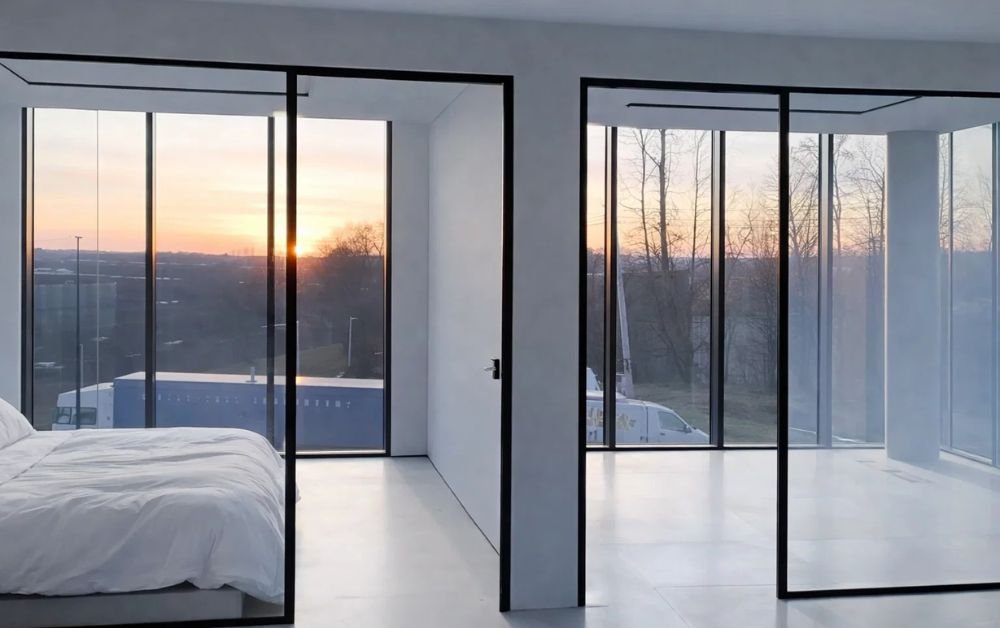
One of the most immediate benefits of electric glass is its ability to elevate the aesthetic appeal of a building. Traditional glass offers transparency and light, but it lacks the adaptability that smart glass provides. With smart glass, architects can create spaces that change in appearance and ambiance at the touch of a button. This adaptability allows for innovative designs that can cater to different needs throughout the day. For example, a conference room with smart glass walls can transform from an open, collaborative space to a private meeting area with the flick of a switch, creating a dynamic environment that is both functional and visually striking.
Improved Privacy and Security
Privacy is a crucial consideration in both residential and commercial buildings. Smart glass offers an elegant solution to this need. In its opaque or frosted state, smart glass provides complete privacy without the need for curtains or blinds. This feature is particularly beneficial in spaces where traditional window coverings may be impractical or undesirable, such as in bathrooms, offices, and storefronts. Additionally, the ability to control the transparency of the glass can enhance security by preventing unwanted viewing from the outside.
Energy Efficiency and Sustainability
Energy efficiency is a major concern in modern construction, and smart glass contributes significantly to this goal. By controlling the amount of light and heat that enters a building, smart glass can help maintain optimal indoor temperatures, reducing the reliance on heating and cooling systems. During hot days, the glass can be switched to a tinted or opaque state to block excessive sunlight and heat, thereby lowering air conditioning costs. Conversely, on cooler days, the glass can remain clear to allow maximum sunlight to warm the interior naturally. This dynamic control over thermal gain and loss translates to substantial energy savings and a reduced carbon footprint.
Versatility and Multifunctionality
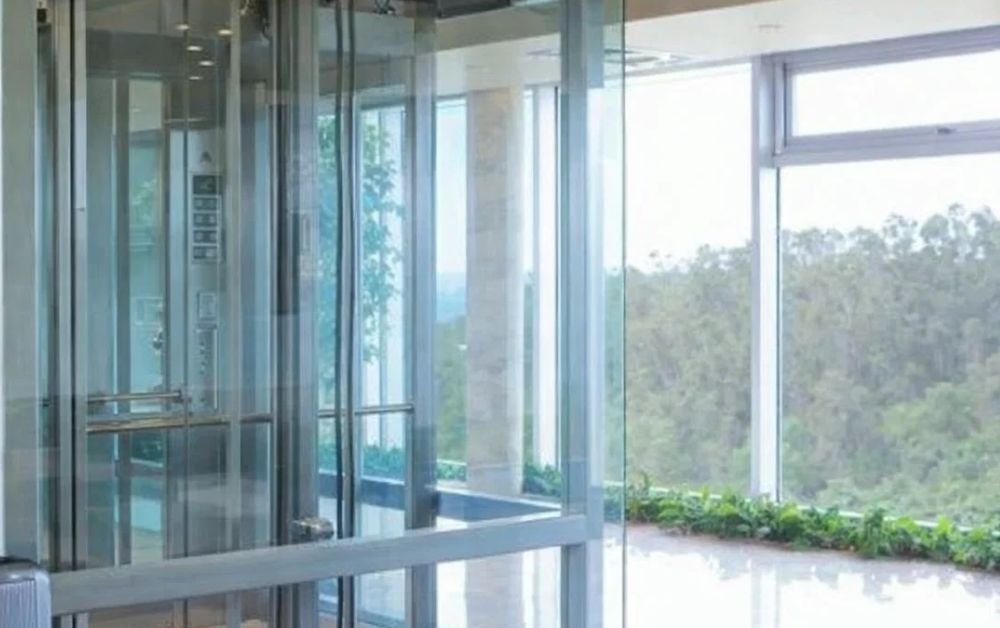
Smart glass is incredibly versatile, finding applications in a wide range of settings. In commercial buildings, it can be used for partition walls, skylights, and facades, creating a high-tech, adaptable environment that can be customized for different uses. In residential settings, smart glass can be incorporated into windows, doors, and even shower enclosures, providing homeowners with greater control over their living spaces. The technology is also being used in healthcare facilities, where the ability to switch between transparency and opacity can enhance patient privacy and comfort while allowing medical staff to monitor patients easily.
Enhanced Comfort and Well-being
Beyond its practical benefits, smart glass also contributes to the overall comfort and well-being of building occupants. Natural light is known to improve mood and productivity, and smart glass allows for the optimal use of daylight without the drawbacks of glare or excessive heat. By adjusting the transparency of the glass, occupants can enjoy the benefits of natural light while maintaining a comfortable indoor environment. This adaptability can lead to improved mental and physical health, making smart glass an ideal choice for spaces where people spend significant amounts of time, such as offices, schools, and homes.
Conclusion
The integration of electric glass in construction is a testament to the advancements in building technologies aimed at enhancing functionality, aesthetics, and sustainability. From its ability to transform the appearance of spaces to its contributions to energy efficiency and occupant comfort, smart glass offers numerous benefits that make it a valuable addition to modern construction projects. As the demand for smart, adaptable building solutions continues to grow, smart glass is poised to play a pivotal role in shaping the future of architecture and design.