
Window treatments have long been an essential part of modern architecture, offering privacy, comfort, and protection from the sun. Traditionally, homeowners and businesses have relied on tinted glass or film to reduce glare and heat. However, a new technology—Smart Glass Film—is revolutionizing the way we approach windows. Unlike standard tints, it offers dynamic control, enhanced privacy, and energy efficiency. But what exactly sets it apart?
Understanding Traditional Window Tint
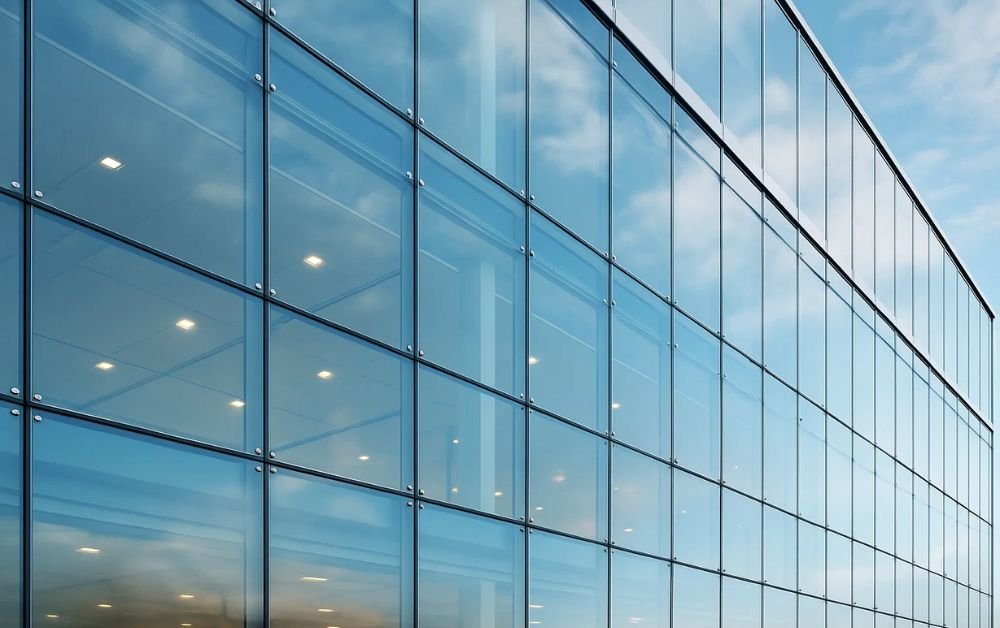
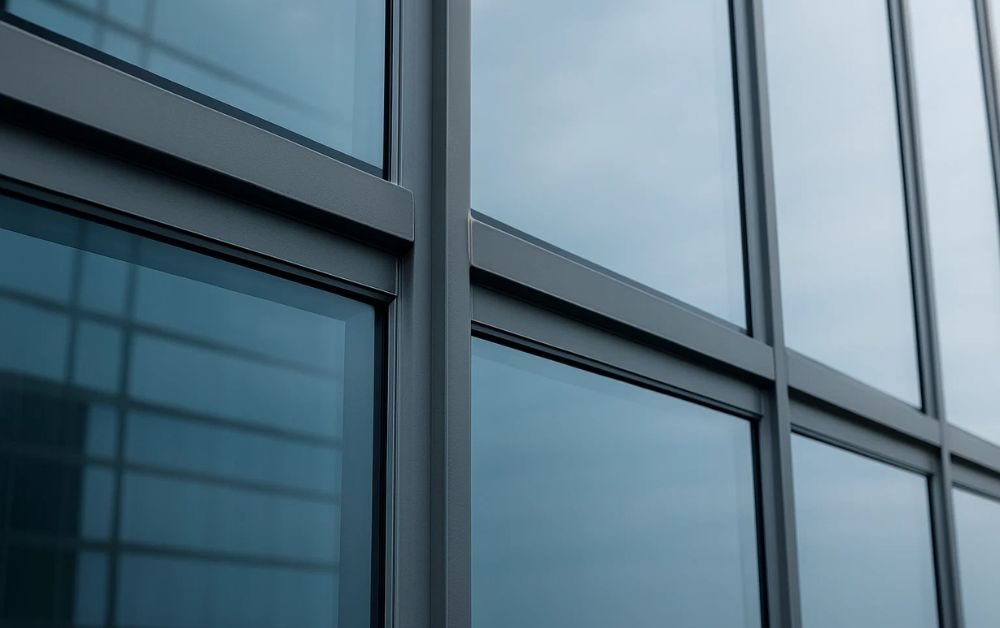
Traditional window tint is a film applied to glass surfaces to reduce sunlight penetration and glare. These films are generally static, meaning their level of transparency or darkness is fixed once installed. Common benefits include:
- UV Protection: Helps block harmful ultraviolet rays, protecting interiors and occupants.
- Glare Reduction: Reduces the intensity of sunlight entering a room, which is particularly helpful for offices or media rooms.
- Heat Reduction: Some tints reflect sunlight, lowering room temperatures and cooling costs.
- Aesthetic Appeal: Tints can enhance the look of a building by giving windows a uniform appearance.
While traditional tints serve their purpose, they come with limitations. The darkness is permanent, offering no flexibility for different lighting or privacy needs. Additionally, they may reduce the amount of natural light, making spaces feel dim or closed off.
Introducing Smart Film
Meanwhile, smart film is a higher-grade application. It utilizes liquid crystal or electrochromic technology, which enables the film to transition between clear and opaque states when a low-voltage electrical signal is applied. This unfolding ability turns windows from a solid partition to a supple, serviceable space.
Unlike most conventional tints, the smart film can be tuned to respond to the moment: clear during the day to let in sunlight, or frosted for privacy when required. It’s this twofold purpose that makes it such a game-changer for contemporary architecture.
Differences Between Smart Film and Regular Tint
Here are the main ways smart film is superior to standard tints:
-
Adjustable Transparency
With regular tints, the amount of darkness is a one-size-fits-all policy. Smart Film gives the flexibility to manage privacy and light transparency in seconds. You can switch the film to opaque (for example, for a meeting, your bathroom, or a street-facing window) and peel it back to clear and clean for the rest of the day.
-
Enhanced Privacy Without Blocking Light
Smart film allows you to maintain your privacy in style, while still letting the light shine through. Unlike darker films, which block out all sunlight, smart film technology allows light in while keeping the contents of your room hidden. This is ideal for urban or high-rise office environments where privacy is a priority.
-
Energy Efficiency
Both colored and smart films can block heat gain, but smart tech takes it one step further. By varying transparency, smart films can also mitigate glare and heat during the day, potentially reducing dependence on air conditioning. This makes it an energy-conserving solution for homes and other commercial places.
-
Modern Aesthetics
Smart Film lends itself to a stylish look of the future. No ugly blinds or curtains are necessary, and the inside stays clean and open. Conventional tints often darken rooms too much, but smart film enhances privacy and aesthetic appeal simultaneously.
-
Versatility and Application
Conventional tints are usually limited to windows and glass doors. Smart films, on the other hand, can be applied in:
- Office partitions and conference rooms
- Home bathrooms and bedrooms
- Hotels and restaurants
- Shops where varying light and privacy situations are present
This flexibility allows smart film to be used in more environments than traditional tints can.
-
Longevity and Maintenance
Smart films are typically laminated with tough surfaces that are scratch- and wear-resistant. Classic tints tend to fade, bubble, and peel over time, sometimes requiring replacement. Permanent stability through intelligent technology for years to come.
Why Business And Homeowners Are Switching To Smart Film
The need for dynamic windows is increasing, particularly as urban centers and business districts expand. Here’s why smart technology is becoming more popular:
- Adaptive Privacy: Switchable opacity is ideal for conference rooms, healthcare facilities, and street-level offices.
- Utilizing Sunlight: Keep your room bright and fresh with sunlight while you maintain privacy.
- Energy Savings – It minimizes HVAC requirements, thereby ensuring effective management of interior temperatures.
- Modern & Minimal Design: Complementing modern, minimalist interiors – no cord, no clutter, no fuss.
In Conclusion
Smart Glass Film offers a revolutionary alternative to traditional window tints. It offers adjustable privacy, enhanced energy efficiency, and modern aesthetics with the same amount of natural light. Ideal for home, office, or commercial applications, it offers the ideal solution for any situation that conventional tints cannot handle.
For those in the UAE looking to upgrade their windows with cutting-edge technology, Smart Glass Dubai offers premium solutions for installing smart film, combining innovation, style, and professional support.